Top 10 Ways to Make Automation Work for Your Business?
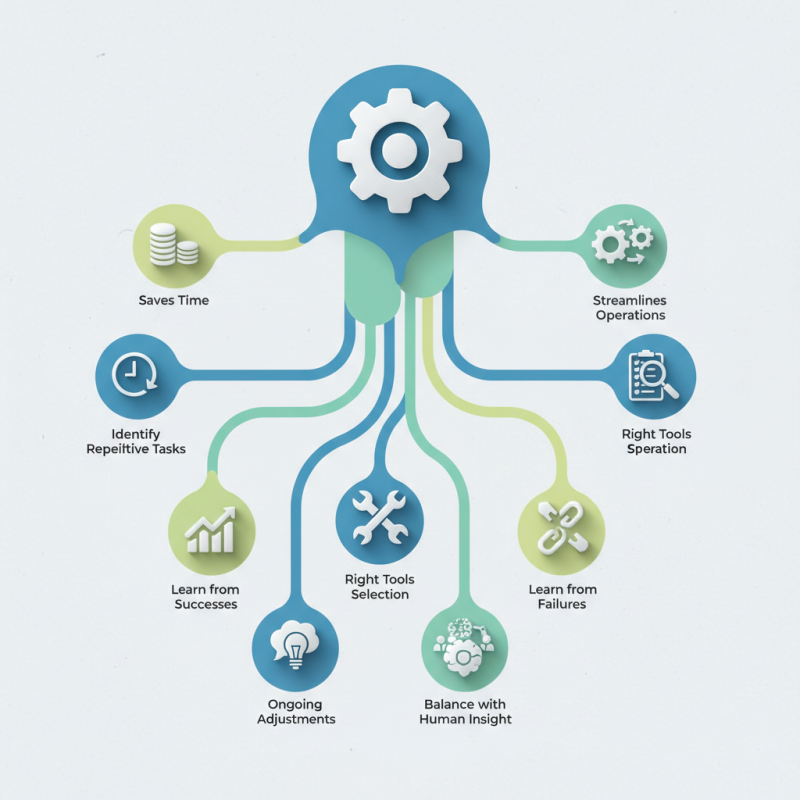
In today’s fast-paced business environment, knowing how to make automation work for your business is essential. Automation streamlines operations, saves time, and cuts costs. However, many companies struggle to implement it effectively. Just introducing automation isn't enough; a thoughtful strategy is crucial.
Consider the various tasks you aim to automate. Are they repetitive and time-consuming? The right tools can simplify these processes. Learning from both successes and failures will guide your journey. Successful automation requires ongoing adjustments and reflections.
You must also think about your team's readiness for change. Not all employees embrace new technologies immediately. Addressing their concerns and providing training can make a significant difference. Automation is a tool, not a magic bullet. Balancing automation with human insight often leads to the best results.
Identifying Key Processes for Automation in Your Business
Identifying key processes for automation is crucial for any business aiming for efficiency. A report by McKinsey states that nearly 60% of all occupations have at least 30% of activities that can be automated. This highlights a significant opportunity to streamline operations. Focus on repetitive tasks, such as data entry or inventory management. Automating these processes can save time and reduce errors.
When determining which processes to automate, analyze the frequency and duration of tasks. According to Forrester, automating just one administrative task can free up 30% of employee time. However, it’s vital to reflect on the potential pitfalls. Some teams may resist changes, fearing job loss or disruptions. Effective communication and training are key to overcoming this resistance.
Look for processes that directly impact customer experience. Automating customer inquiries can improve response times, leading to higher satisfaction. However, automation shouldn't replace human touch completely. Balancing efficiency with personal interaction is essential. Strive for a blend that maintains quality while enhancing productivity.
Assessing the Right Tools and Technologies for Automation
Choosing the right tools and technologies for automation is crucial. Research from McKinsey shows that 70% of companies report their automation efforts have improved productivity. However, many struggle with implementation. Selecting the right technology starts with understanding specific business needs. This ensures that automation aligns with existing workflows.
Various automation tools cater to different requirements. For instance, process automation may require software that integrates seamlessly with current systems. A survey by Deloitte found that 61% of firms prefer cloud-based technologies for their flexibility and scalability. Yet, some businesses overlook the need for training staff to maximize these tools. It's a frequent error that hampers effectiveness.
It's essential to evaluate how automation impacts the workforce. While some tasks become obsolete, others evolve. The World Economic Forum forecasts that 85 million jobs may shift by 2025 due to automation. Businesses must prepare for this transition thoughtfully. Balancing technological investment with employee development is key to lasting success.
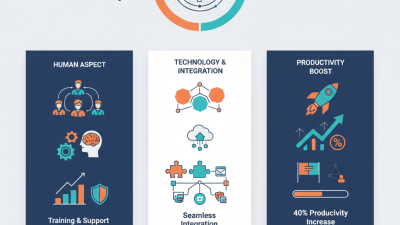
Top 10 Ways to Make Automation Work for Your Business
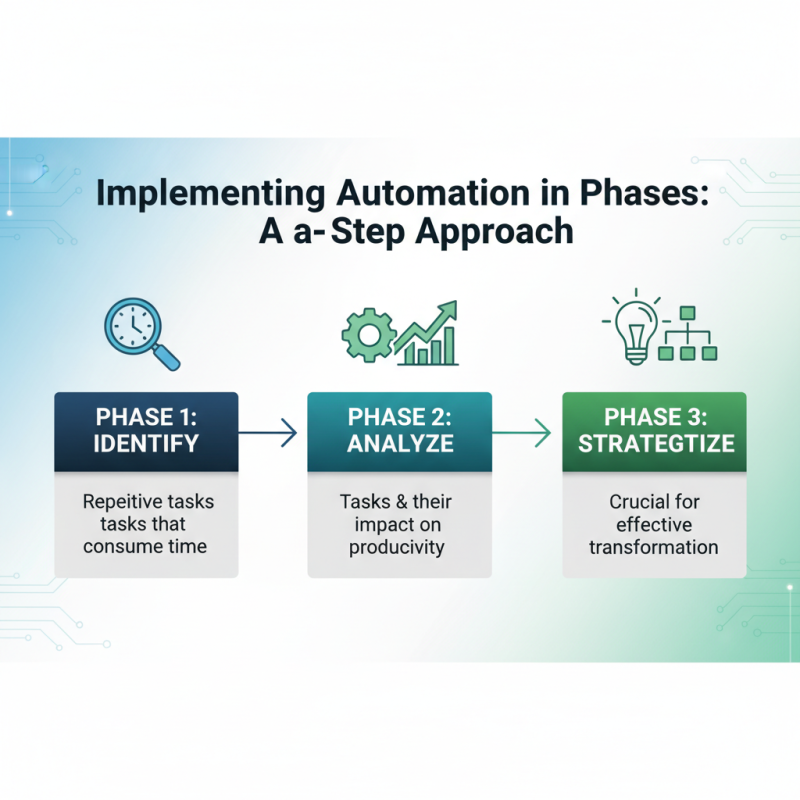
Implementing Automation in Phases: A Step-by-Step Approach
Implementing automation in phases can transform your business effectively. Start by identifying repetitive tasks that consume valuable time. Analyze these tasks and assess their impact on productivity. This step is crucial for a strategic approach.
After pinpointing tasks, develop a phased plan. Begin automation with less complex tasks, allowing your team to adjust. For instance, automating data entry or basic reporting can yield quick wins. Monitor the progress closely. Are you seeing efficiency gains? If not, revisit your strategy.
As your team adapts, gradually scale up automation efforts. This could mean integrating more advanced tools or systems. Early phases may expose gaps in your processes. Address them before proceeding. The goal is to create a seamless workflow that enhances productivity without overwhelming your team.
Training Your Team to Embrace Automation Effectively
Effective automation can drive significant growth in businesses. However, it requires a workforce that understands and embraces new technologies. Training your team is essential. A report by McKinsey shows that businesses with automated processes saw productivity increases of up to 30%. Yet, many employees feel hesitant about adopting automation.
To encourage acceptance, start by creating a supportive environment. Provide clear examples of how automation simplifies tasks. Showcase successful automation case studies relevant to your industry. This method helps demystify technology and builds confidence. According to a recent Deloitte study, 58% of employees are more likely to accept automation when they feel informed and involved in the process.
Implement regular training sessions. Incorporate hands-on workshops. Allow your team to experiment with automation tools. Practical experience boosts comfort levels. Offer constructive feedback during these sessions to help identify areas of improvement. Remember, a good percentage of employees might resist change. Address their concerns openly.
Emphasize collaboration. Encourage teams to share their automation experiences. This peer support creates a culture of learning and innovation. Providing recognition to team members who embrace automation can also motivate others. Stay committed to ongoing education, as technology and methodologies are constantly evolving. Embrace this journey together.