10 Essential Tips for Mastering Robotic Program Automation
In today's fast-paced world, mastering robotic program automation is crucial for efficiency. Businesses are increasingly turning to this technology to streamline processes. However, many struggle with its complexities.
Robotic program automation offers immense potential, but it is not without its challenges. Understanding the right tools and methodologies is vital. Many professionals find themselves overwhelmed by the sheer volume of options available. Choosing the wrong approach can lead to setbacks.
Engaging in this journey requires patience and practice. Learning from mistakes is part of growth. Those who embark on the path of robotic program automation must embrace failures and refine their strategies. This challenge can provide valuable insights, pushing one to innovate and improve continually.
Understanding the Basics of Robotic Process Automation (RPA)
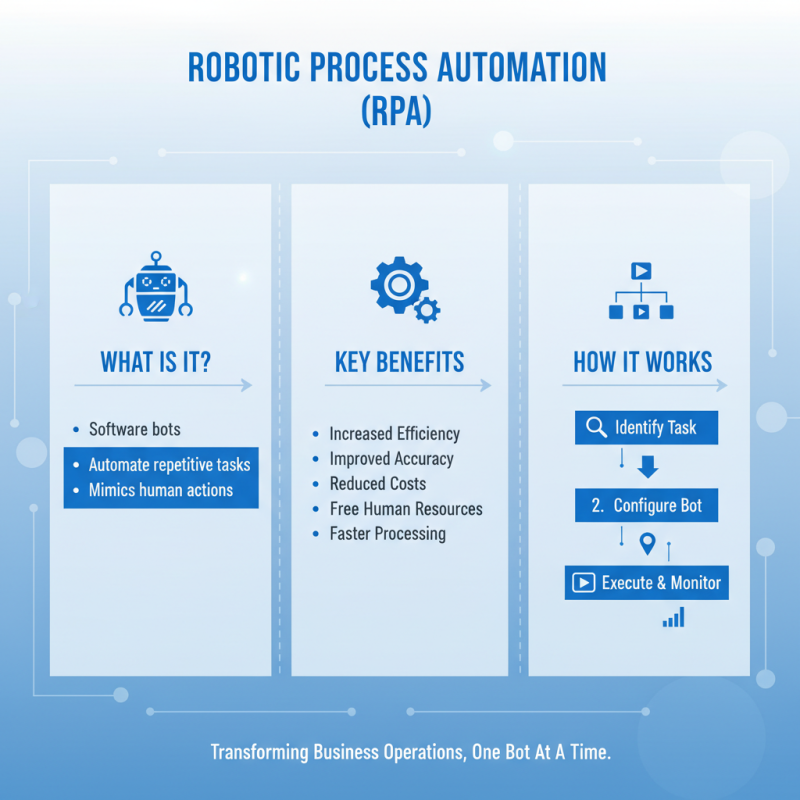
Robotic Process Automation (RPA) is reshaping the way businesses operate. It automates repetitive tasks, freeing up human resources for more complex activities. Organizations are increasingly adopting RPA to enhance efficiency and improve accuracy. But what exactly is RPA? It is a technology that uses scripts or bots to perform routine tasks.
Understanding RPA involves acknowledging its basic components. You need software bots that interact with applications just like a human would. These bots can log in, navigate systems, and extract or input data. People often overlook the importance of selecting the right processes for automation. Not every task is suitable for RPA. Tasks with inconsistent processes may lead to errors, making them poor candidates for automation.
Training is also crucial. Users need to understand how to manage and monitor bots effectively. Some companies implement RPA without adequate training, leading to frustration. Mistakes in setup can waste resources and result in inefficiencies. It’s essential to evaluate the impact of RPA continuously. Reflecting on its performance can help identify areas needing improvement.
Identifying Suitable Processes for Automation in Your Organization
Identifying suitable processes for automation is crucial for any organization aiming for efficiency. According to a report from McKinsey, around 60% of all occupations could have at least 30% of their tasks automated. This statistic underscores the importance of careful selection in automation initiatives. Not every task may be a good fit; it's essential to assess routine processes that require minimal human judgment and high repetition rates.
Consider customer service inquiries. These tasks often follow a predictable pattern and could be streamlined with robotic process automation (RPA). Data from Deloitte found that organizations using RPA saw a 30% reduction in operational costs. However, not every repetitive task is suitable. Misjudging the complexity of processes can lead to automation setbacks. The nuances in customer interactions may not be easily replicable by a robot, highlighting the need for a thoughtful approach.
In finance, data entry and invoice processing are prime candidates for automation. However, if the data varies greatly or involves complex decision-making, automation may struggle. IEEE reports indicate that 70% of automated projects fail to meet expectations. This reality emphasizes the need for organizations to pilot automation in smaller batches, allowing for adjustments based on real-world feedback. Choosing the wrong processes may result in wasted resources and a lack of ROI.
Key Tools and Technologies for Effective RPA Implementation
Implementing Robotic Process Automation (RPA) requires a solid understanding of key tools and technologies. According to a recent study by Everest Group, organizations that invest in the right RPA tools experience up to 60% efficiency gains. Selecting the right software is essential. Solutions often vary in capabilities and integration options. It’s crucial to assess tools based on specific organizational needs.
A common pitfall in RPA implementation is underestimating the importance of process mapping. Many companies jump into automation without fully analyzing their workflows. This can lead to disruptions and inefficiencies. Furthermore, a McKinsey report highlights that firms achieving RPA success often invest in employee training. Knowledgeable staff can adapt to new tools effectively, mitigating disruption.
It’s important to leverage analytics for continuous improvement in RPA systems. Many organizations deploy RPA and fail to review their performance metrics regularly. Not measuring success can result in missed opportunities for optimization. Regular feedback loops can help refine processes and enhance efficiency. This adaptive approach is vital for long-term success in automation.
RPA Implementation Success Factors
This bar chart illustrates the importance levels of various factors that contribute to successful Robotic Process Automation (RPA) implementation. The data ranges from 1 to 10, with higher values indicating a greater significance in the execution of RPA projects.
Best Practices for Designing and Developing Robotic Programs
Designing and developing robotic programs requires a strategic mindset. According to a report by Gartner, 80% of organizations see automation as a top priority for efficiency. However, a lack of standardized processes can lead to wasted resources. Clear objectives and measurable outcomes are essential for success. Without these, the risk of failure increases significantly.
Attention to detail is crucial in automation. Implementing a modular design can simplify troubleshooting. A study by Deloitte revealed that 70% of automation projects experience delays due to poor design choices. Teams must focus on creating scalable solutions that allow for easy modification. Regular evaluations can provide valuable insights. Ignoring feedback may hinder progress and lead to unnecessary rework.
Testing is another critical phase. Many overlook this step, risking operational disruptions. A report by PwC highlighted that 50% of robotic automation failures result from inadequate testing. Testing should include various scenarios to ensure robustness. This proactive approach can prevent costly mistakes down the line. Regular updates and refinements will keep robotic programs relevant and efficient in a fast-changing environment.
10 Essential Tips for Mastering Robotic Program Automation - Best Practices for Designing and Developing Robotic Programs
| Tip Number |
Tip Title |
Description |
| 1 |
Understand the Process |
Thoroughly analyze and document the process you intend to automate. |
| 2 |
Choose the Right Tools |
Select automation tools that align with your project requirements. |
| 3 |
Maintain Scalability |
Design robotic solutions keeping future scalability in mind. |
| 4 |
Focus on User Experience |
Ensure the usability and user interface of robotic applications is intuitive. |
| 5 |
Implement Error Handling |
Incorporate robust error handling mechanisms in your automation processes. |
| 6 |
Conduct Regular Testing |
Test the robotic programs regularly to ensure they perform as expected. |
| 7 |
Document Everything |
Maintain comprehensive documentation for your robotic programs and processes. |
| 8 |
Stay Updated with Technologies |
Continuously learn about emerging technologies in robotic automation. |
| 9 |
Collaborate with Stakeholders |
Work closely with both business and technical stakeholders throughout the process. |
| 10 |
Evaluate and Optimize |
Regularly evaluate program performance and seek opportunities for optimization. |
Measuring Success: Metrics for Assessing RPA Performance
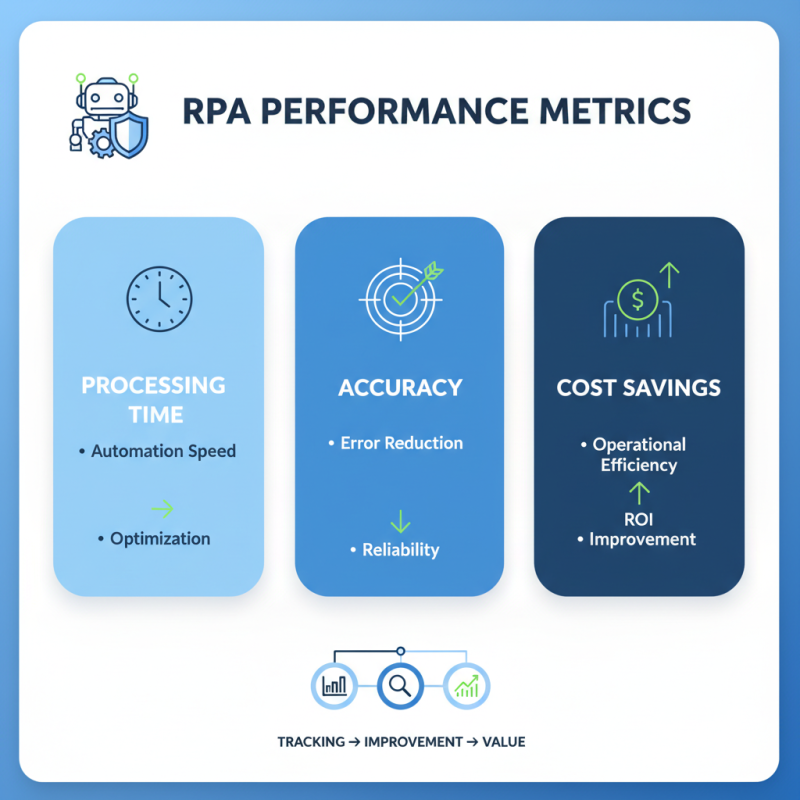
Metrics play a crucial role in assessing the performance of Robotic Process Automation (RPA). Choosing the right metrics is key. Common metrics include processing time, accuracy, and cost savings. Tracking these can help identify areas for improvement. For example, if processing time is longer than expected, it may signal a need for optimization.
But numbers alone don't tell the whole story. Qualitative feedback is also important. Engaging with employees who interact with RPA can reveal hidden issues. If users find the automation cumbersome, it may reduce its effectiveness. Adjusting the RPA based on this input can lead to better performance and user satisfaction.
Another common oversight is focusing too much on short-term gains. Some organizations measure only immediate returns, overlooking long-term benefits. This narrow view may lead to missed opportunities for growth. Balancing both perspectives ensures a more comprehensive assessment of RPA’s impact. Reflection on these aspects can guide future automation strategies.