Choosing an automation supplier is not just a pricing exercise. A dependable partner can shape production quality, delivery schedules, and future expansion. As Bill Gates put it, “The first rule of any technology used in a business is that automation applied to an efficient operation will magnify the efficiency.” The point matters: equipment alone cannot repair a poorly planned process.
This guide to the 10 Best Automation Suppliers for Global Buyers examines practical factors, including product range, integration support, service access, and experience across industries. A buyer comparing a control cabinet, a robotic arm, or a complete production line needs clear answers. Who handles commissioning? Are spare parts available nearby? Can the system connect with existing equipment? These questions often matter more than a polished brochure.
Details count. A delayed sensor shipment can idle a line; unclear documentation can slow a technician at the worst moment. Strong suppliers explain capabilities and limits, then support the system after installation. That is the standard this list aims to explore—not a guarantee that every supplier suits every plant. Some comparisons remain imperfect, because service quality can vary by region and project. Buyers should verify specifications, references, and support terms directly. In the wider auto mation market, a careful shortlist is a useful starting point. Not the whole decision.
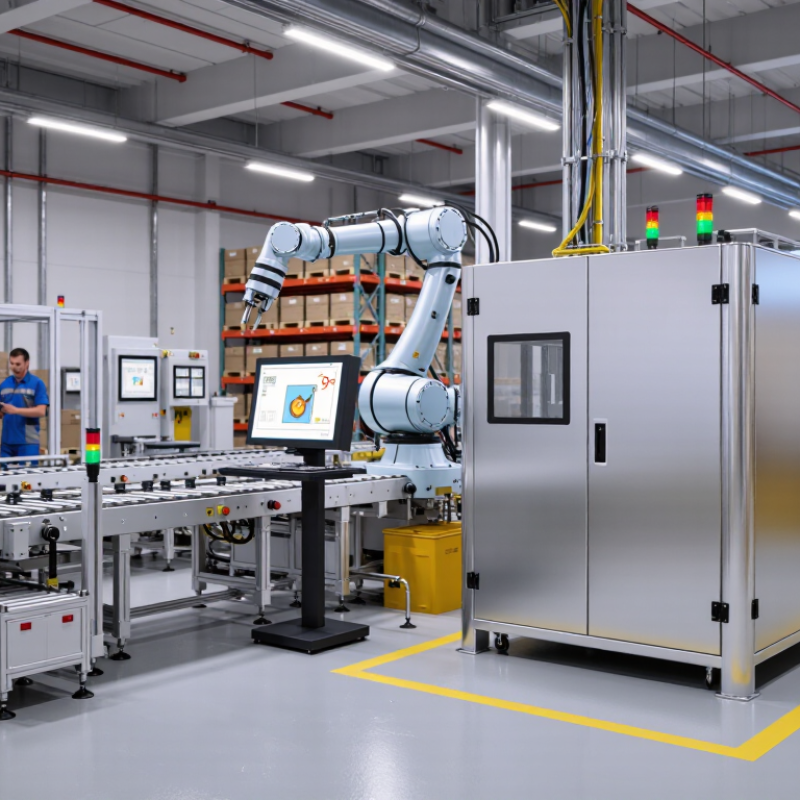
The ten best automation suppliers serve global industries through practical engineering, not impressive catalogs alone. They design control systems, robotic cells, sensors, conveyors, and production software.
A packaging plant may need faster changeovers and safer operator access. A food processor may require washdown-ready equipment and clear maintenance records. The right supplier studies these conditions before suggesting a solution. That conversation matters.
Experienced suppliers provide installation, testing, training, spare parts, and long-term technical support. They adapt systems to local voltage, language, safety rules, and workforce skills. Remote diagnostics can reduce downtime, but only when machines collect useful data.
Documentation should explain wiring, software settings, service intervals, and failure alerts. Training turns complex equipment into daily capability. In regulated industries, suppliers must also support traceability and consistent quality checks. A fast quotation is not proof of competence.
Global buyers should assess suppliers through factory audits, sample projects, and transparent performance records.
Request realistic production trials. Ask how the team handles a delayed component or a failed sensor. Site visits often reveal more than polished presentations. Independent testing can expose weak assumptions early.
Even experienced buyers misjudge integration costs sometimes. Small gaps in communication can become expensive delays. The strongest suppliers admit limitations and correct mistakes quickly. That honesty builds trust across borders.
Choosing among the 10 best automation suppliers requires more than comparing catalog prices. The International Federation of Robotics reported 541,302 industrial robots were installed worldwide in 2023. This scale increases supplier options, but also raises evaluation risks. Request verified case studies from factories with similar production speeds, safety requirements, and export destinations. A supplier’s experience with your process matters more than a polished website.
Examine technical depth before negotiating. Ask for cycle-time evidence, failure-rate records, spare-parts policies, and remote diagnostic procedures. Deloitte’s 2023 Smart Manufacturing survey found that 86% of manufacturers expect smart manufacturing to improve competitiveness within five years. Your supplier should explain how its systems connect with existing controls, production software, and cybersecurity procedures. Request a live demonstration using comparable materials, not an ideal sample.
International purchasing adds practical tests. Confirm certifications, language support, installation responsibility, training hours, and response times across time zones. Review total cost over five years, including integration, maintenance, energy use, and replacement components. Incoterms and warranty wording deserve careful reading. Small ambiguities become expensive delays. I would also contact two current customers, though references can be selective. A factory visit remains stronger evidence. No evaluation method is perfect; even detailed audits may miss support problems after commissioning. Personally, I would score suppliers with a weighted checklist, then challenge the highest score with uncomfortable questions.
10 Best Automation Suppliers for Global Buyers
Ten Leading Automation Suppliers and Their Core Capabilities
Global buyers usually compare more than price. They examine engineering depth, delivery records, service coverage, and documentation. The ten leading supplier groups cover distinct needs: industrial robot suppliers provide assembly and welding systems. Motion-control specialists handle servo drives and precision positioning. PLC and HMI providers build machine logic and operator interfaces. Machine-vision firms support inspection, measurement, and traceability.
Sensor manufacturers deliver proximity, pressure, temperature, and safety detection. Process-control integrators connect instruments with production software. Warehouse-automation builders develop conveyors, sorters, and storage systems. Collaborative-robot developers focus on flexible, human-centered workcells. Pneumatic and electric actuator suppliers improve gripping and linear movement. Systems-engineering contractors combine these technologies into complete production lines.
Practical evaluation should begin with a sample application, not a sales brochure. Ask for cycle-time evidence, maintenance procedures, spare-parts availability, and training plans. A factory visit can reveal cable routing, cabinet labeling, and access for repairs. Small details matter. Suppliers with local technicians often reduce downtime during commissioning.
Still, no supplier is perfect. A technically advanced solution may require scarce programming skills. A low-cost system may create higher maintenance expenses later. I would also question unsupported claims about “plug-and-play” installation. Global projects face language, voltage, and compliance differences. Buyers should test one critical process before expanding. That cautious step may feel slower, but it exposes weak assumptions early.
For global buyers, supplier support matters as much as machine specifications. The International Federation of Robotics reported 541,302 industrial robots were installed worldwide in 2023. The global operating stock exceeded 4.28 million units. That scale makes local service capacity a purchasing factor, not a bonus.
Look for trained technicians within practical travel distance. Ask about response times, spare-parts storage, remote diagnostics, and multilingual documentation. A strong supplier should provide commissioning, operator training, preventive maintenance, and documented escalation routes. Service quality varies sharply between regions. A polished sales team cannot repair a failed controller at 2 a.m.
Product portfolios also deserve close testing. Check whether one supplier can support robots, drives, sensors, safety systems, and software without forcing unnecessary upgrades. Compatibility reduces integration work, but broad catalogs can hide weak technical depth. Request sample architectures, lifecycle policies, and three customer references from similar factories. Small details matter: connector availability, firmware support, and training records.
The IFR data shows a mature installed base, yet maturity does not guarantee reliability. Buyers should score suppliers using evidence, not presentation slides. I would also leave room for doubt: promised service coverage may depend on subcontractors, and published response times may exclude weekends. A site visit often reveals more than a confident proposal.
For long-term automation projects, a supplier must support the system after installation, not just deliver equipment on schedule. Look beyond the initial quotation. Ask how the supplier handles commissioning, operator training, spare-part availability, and software updates. Request examples of maintenance plans and response times for comparable projects. A clear escalation path matters when a production line stops at 2 a.m. Check whether technical documents are complete, current, and understandable to your maintenance team. Small details count.
Tips: Ask for a sample service report and a realistic spare-parts list. Confirm who owns each task during installation and after handover. Put response times, training, and documentation requirements in writing. Then review them with the people who will maintain the equipment.
Assess technical fit through a site review, application testing, and agreed acceptance criteria. Discuss integration with existing machines, safety controls, and data systems before signing. Compare total operating costs, including maintenance, consumables, and downtime—not only purchase price. Speak with customers whose projects have run for several years, and ask what needed adjustment. No scorecard is perfect. A supplier may look strong on paper but communicate poorly under pressure. Notice that early, and keep reviewing performance after the project begins.
Contact our Specialists